When Life Disrupts Your Team, Deadlines Don't Pause.
Private, on-demand library for when employees show up—but aren't really present.
Our founders' content has been used by Microsoft employees.
Your Employees Don't Call in Sick When They're Going Through a Crisis
They show up—distracted, reactive, making costly mistakes.
Real scenarios that could be happening at your organization right now:
Your account rep got custody papers yesterday. Tonight she has to tell her 8-year-old why daddy isn't living at home anymore. Tomorrow - major presentation. She made mistakes that lost the account.
Your project coordinator's dad was just diagnosed with Alzheimer's. He's navigating assisted living options while fighting with siblings about care decisions. He just missed a critical deadline.
Your team leader just lost his brother. He dove back into work because that's what he does. He's leading client meetings while grieving -and made a $40K error no one caught until today.
Your operations manager has carried unresolved family trauma for 30 years. Tension with clients. Reactivity with the team. Short fuse. She snapped at your biggest clients now they're "reconsidering the relationship."
What you see:- Costly mistakes
- Missed deadlines
- Team tension
- Lost billable hours
What you don't see:
- The panic at 11pm about tomorrow's conversation
- The guilt eating them alive
- The unresolved pain hijacking their focus
- The fact that they're just trying to survive the week
And then they walk into work pretending they're okay.
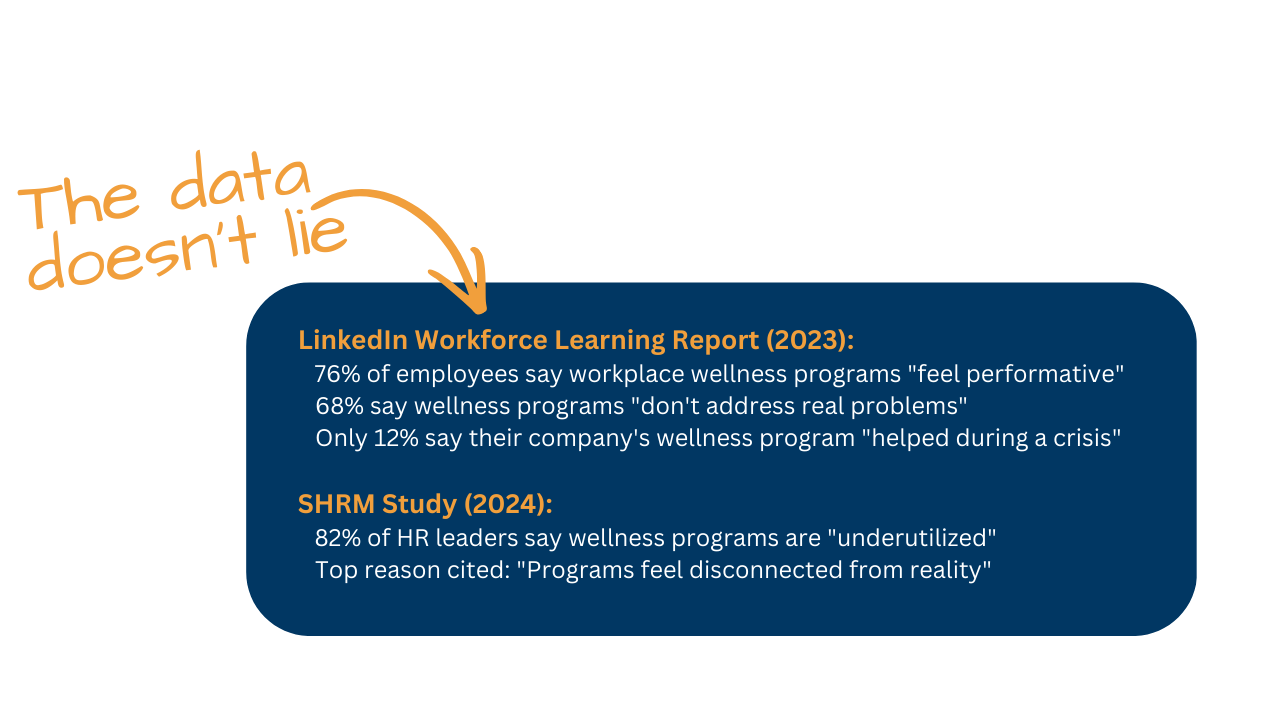
"Cringe Positivity" Doesn't Work
Most wellness programs:
- "Be your best self!"
- "Unlock your potential!"
- "Thrive at work!"
- "Choose joy!"
Your team sees right through it.
Going through a divorce? They're not "unlocking potential"—they're trying to survive the week.
Just lost a sibling? They can't "choose joy"—they need to get through today's client meeting.
Aging parent in crisis? They don't need "good vibes"—they need tools to function while making impossible decisions.
Life Impacts Work gives employees private, practical tools for real situations—not inspirational phrases.
Sometimes the best you can do is show up. That's enough.
What Actually Works
Private, on-demand library for real-life disruptions—when they need it. 12-15 minute videos. No appointments. No disclosure.
EXAMPLES OF WHAT'S INSIDE...

(12 min) Navigating the hardest conversations with kids

(13 min) Tools for when stress makes focus impossible

(15 min) Getting through sadness and breakdowns
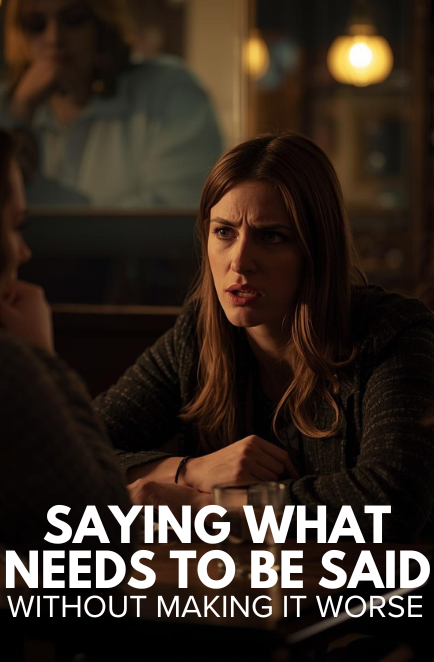
(12 min) For conversations they've been avoiding for months

(12 min) Breaking patterns that keep resurfacing and causing problems

(12 min) Making hard decisions that weigh down performance
Why Employees Will Actually Use This
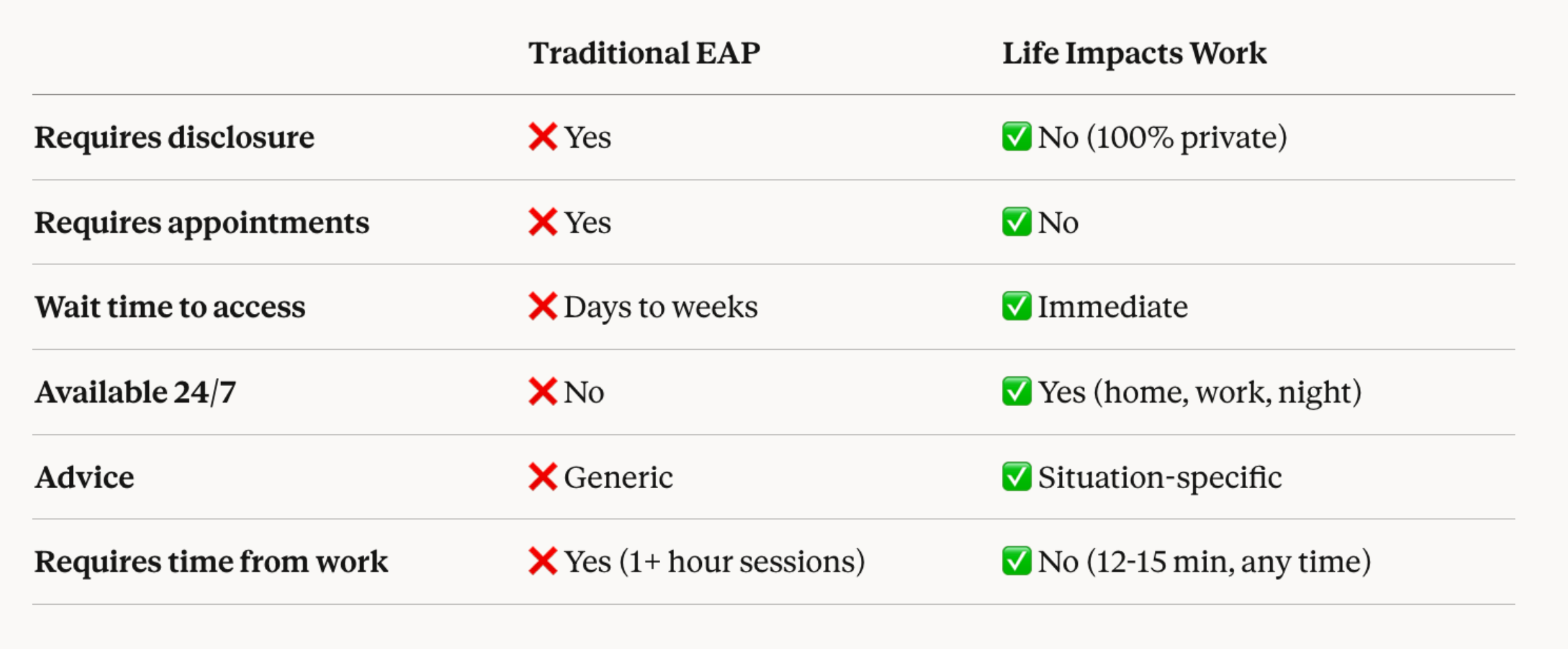
We've removed every reason employees don't get help.
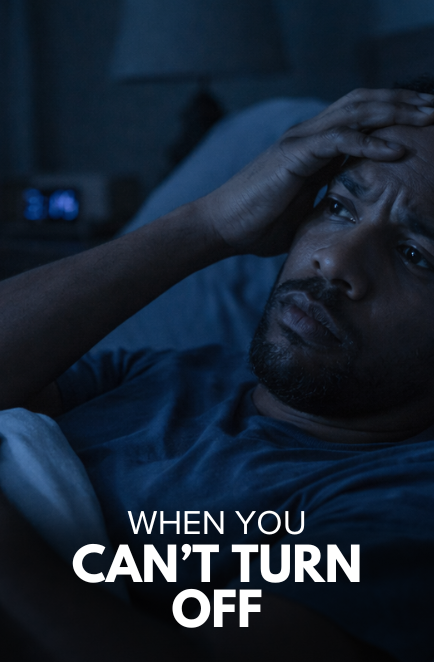
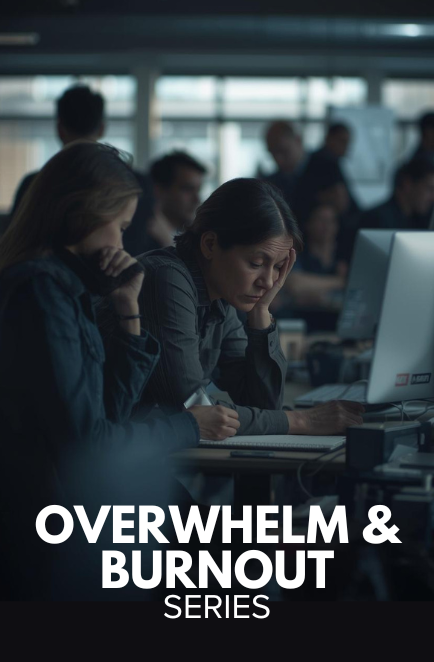
Unresolved Stress Series

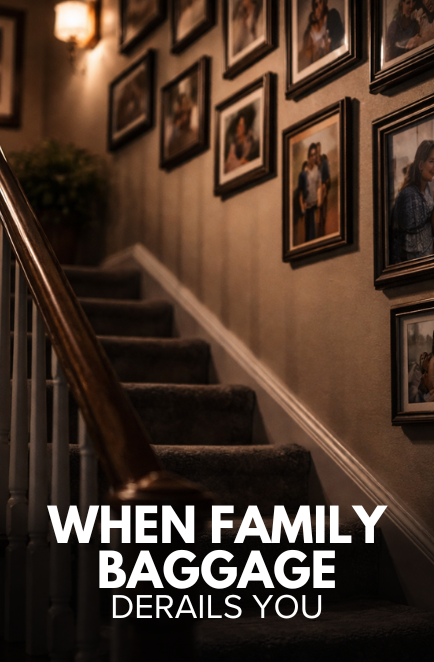

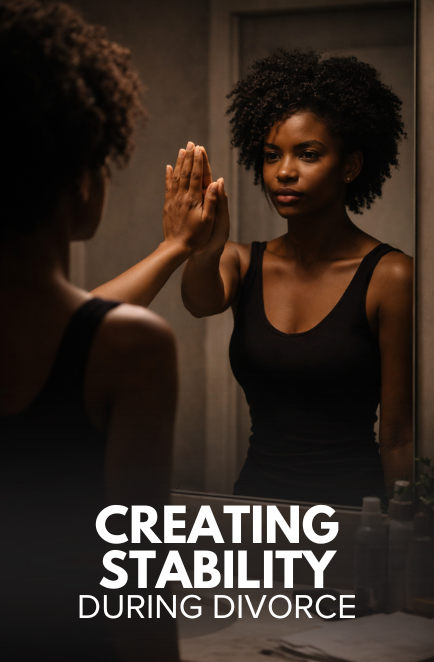
Divorce & Family Series




Difficult Conversations Series


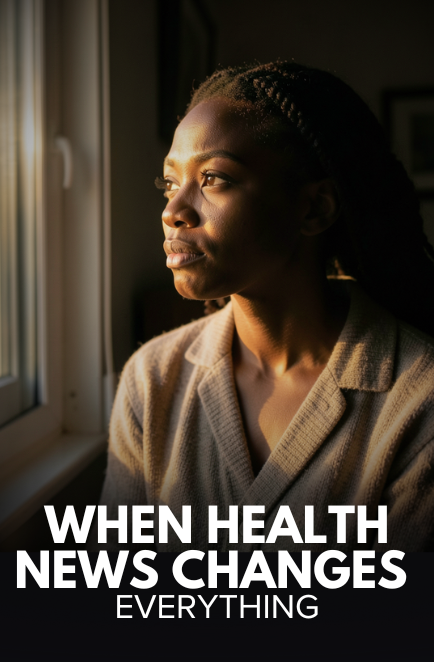
Life Transitions Series
New Series Coming Soon...


How It Works
No appointments. No disclosure. No time away from work. No administrative burden.
For Your Organization
Step 1: Agreement & Setup
Once we agree Life Impacts Work is right for your organization, we handle setup and onboarding.
Step 2: Access Distribution
We provide private access credentials for each employee.
No HR administration required.
Step 3: That’s It
Employees access support when they need it.
No scheduling. No appointments. No disclosure tracking.
For Your Employees
Private Access
Each employee receives confidential login credentials.
No one else in the organization can see their usage.
On-Demand Availability
Access from phone, tablet, or laptop — before work, after work, or in the moment life is affecting focus.
No Disclosure Required
Employees never have to explain why they’re using the program.
Complete privacy.
Immediate Tools
12–15 minute focused series that provide practical tools for the situation they’re facing right now.
Watch Our 90-Second Demo
This Is What Happened at Microsoft
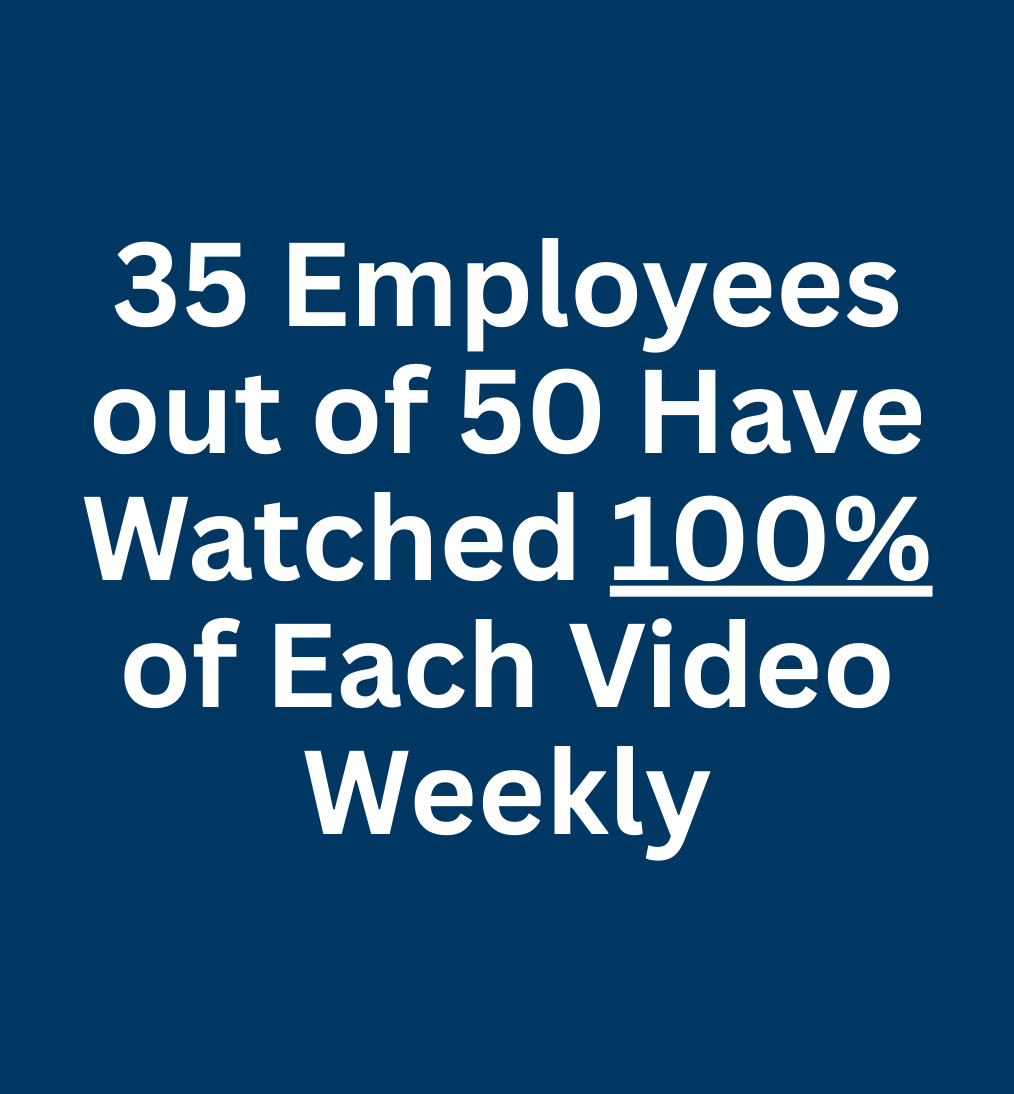
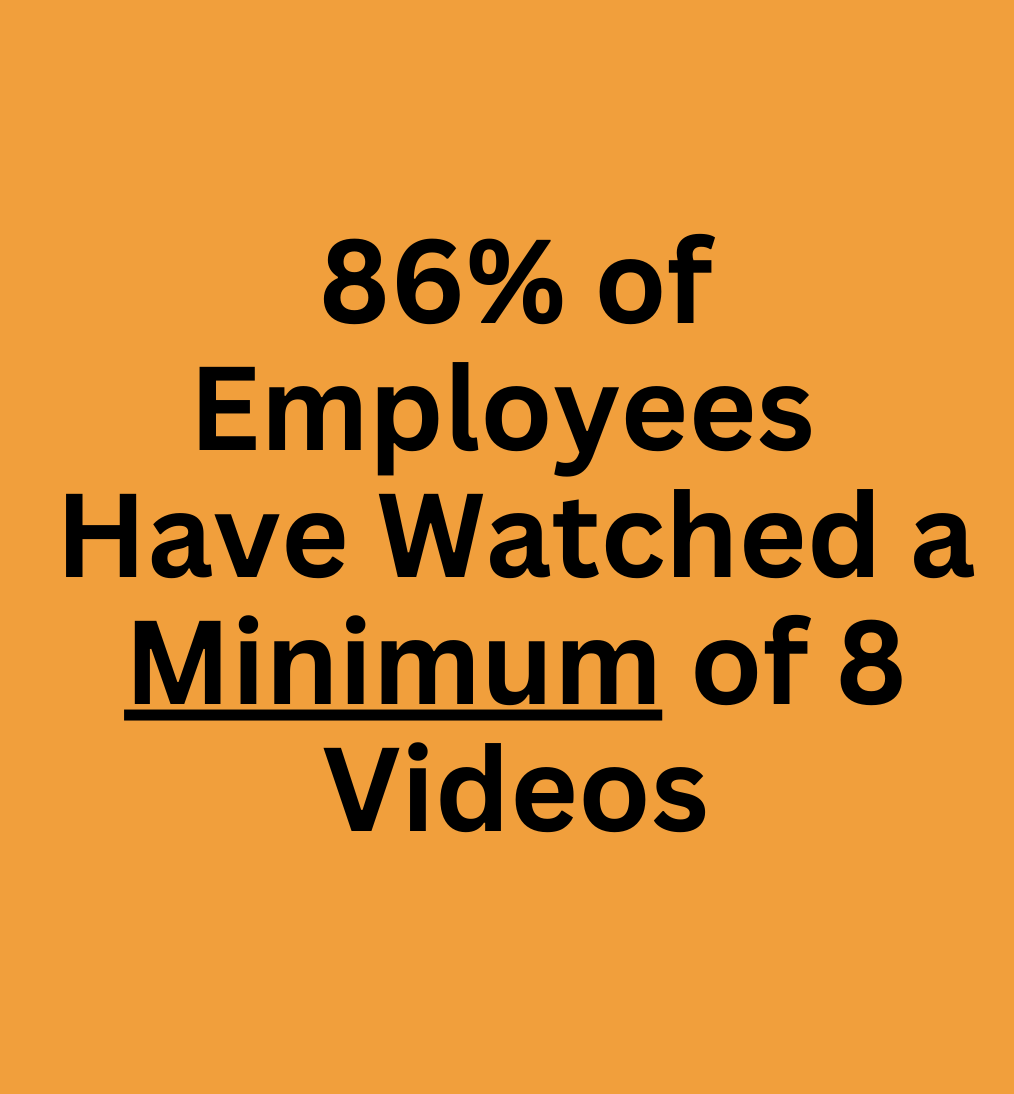
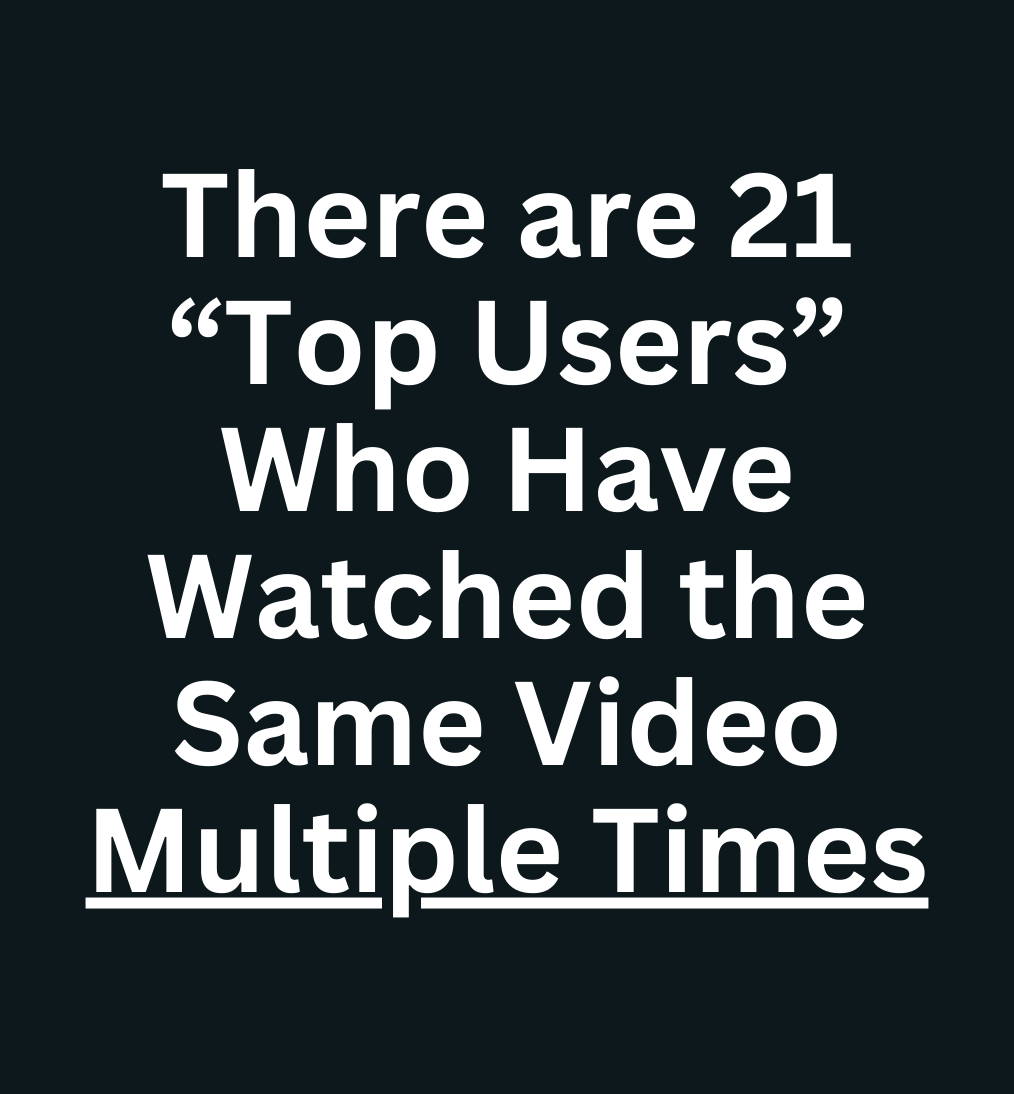
Real feedback from their employees...




Built By People Who've Supported High-Performers Through Real Disruptions
Our founders have spent 20+ years helping individuals navigate the exact disruptions your employees face.
This library is built from real-world experience helping people navigate high-pressure moments and major life transitions—including employees at Microsoft.
Our founders' work has been trusted by the NFL, the White House, Broadway productions, and National Geographic, and featured in media outlets including CBS, Entrepreneur Magazine, U.S. News & World Report, and iHeartRadio. The content isn't theoretical. It's what actually works when life doesn't pause and performance still matters.
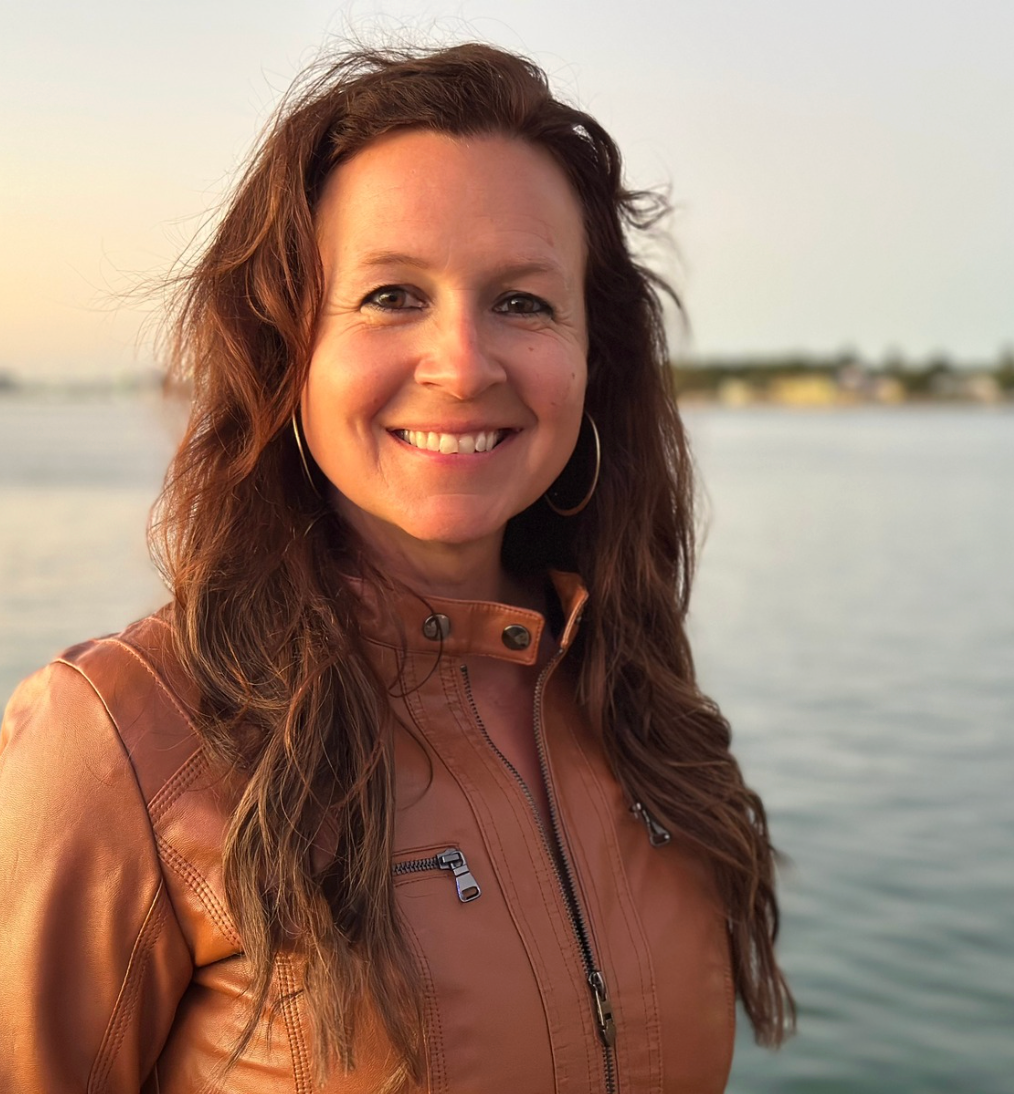
JEN AHANA is a performance and mindset coach and 3× author with over 20 years of experience helping individuals maintain clarity, resilience, and performance during high-pressure moments and major life transitions.
She has worked with executives, Olympians, and high performers across seven countries, and her work has been featured on CBS, CW, TalentCulture, Project Happiness, FierceCEO, and iHeartRadio.
Jen has supported individuals and organizations including Microsoft, the NFL, the Lady Gaga Tour, Broadway performers, The Kennedy Center, and National Geographic.
As the founder of Life Beyond Hurt, she brings a grounded, mind-body approach to emotional regulation, clarity, and sustainable performance during times of stress and transition.

RYAN THOMAS is a television producer, 2× author, and communication strategist with over 25 years of experience helping people navigate complex personal situations with clarity and perspective.
His work has been featured by U.S. News & World Report, Entrepreneur Magazine, ABC, MSNBC, FOX, and iHeartRadio, and he has collaborated with individuals and organizations including First Lady Michelle Obama, Academy Award-winning actor Martin Sheen, Post Malone, Microsoft, The White House, Lockheed Martin, Best Buy Mobile, and Make-A-Wish Foundation.
Known for translating complex human experiences into clarity, Ryan works with individuals and organizations to navigate life disruptions that impact focus, performance, and decision-making.
See If We're A Match
We're selective about the organizations we partner with because cultural fit matters.
We take on a limited number of new partners each quarter to ensure quality support.
If you believe supporting employees through real life leads to better work, let's see if we're aligned.


